
What the Mediterranean Diet Actually Does for Your Brain

Researchers are now finding that what you put on your plate has a measurable, direct impact on the organ that matters the most: your brain. It's best to think of the Mediterranean diet as an eating style. It's not a trend. It's one of the most consistently studied dietary patterns in cognitive science. Here's what the evidence actually shows.
It's Not the Whole Diet, It's What the Diet Does.
The Mediterranean diet — rich in olive oil, fatty fish, leafy greens, nuts, legumes, and polyphenol-dense fruits — doesn't protect the brain through any single ingredient. It works through a hormetic effect, improving several of the most critical biological pathways involved in immune aging simultaneously.
That matters. Because brain health isn't a single-pathway problem. Cognitive decline involves neuroinflammation, oxidative stress, impaired blood flow, disrupted gut-brain signaling, and the gradual accumulation of damage at the neuronal level — often decades before symptoms appear. A dietary pattern that addresses multiple pathways at once is far more meaningful than any single superfood or supplement.
BDNF: The Brain's Growth Factor
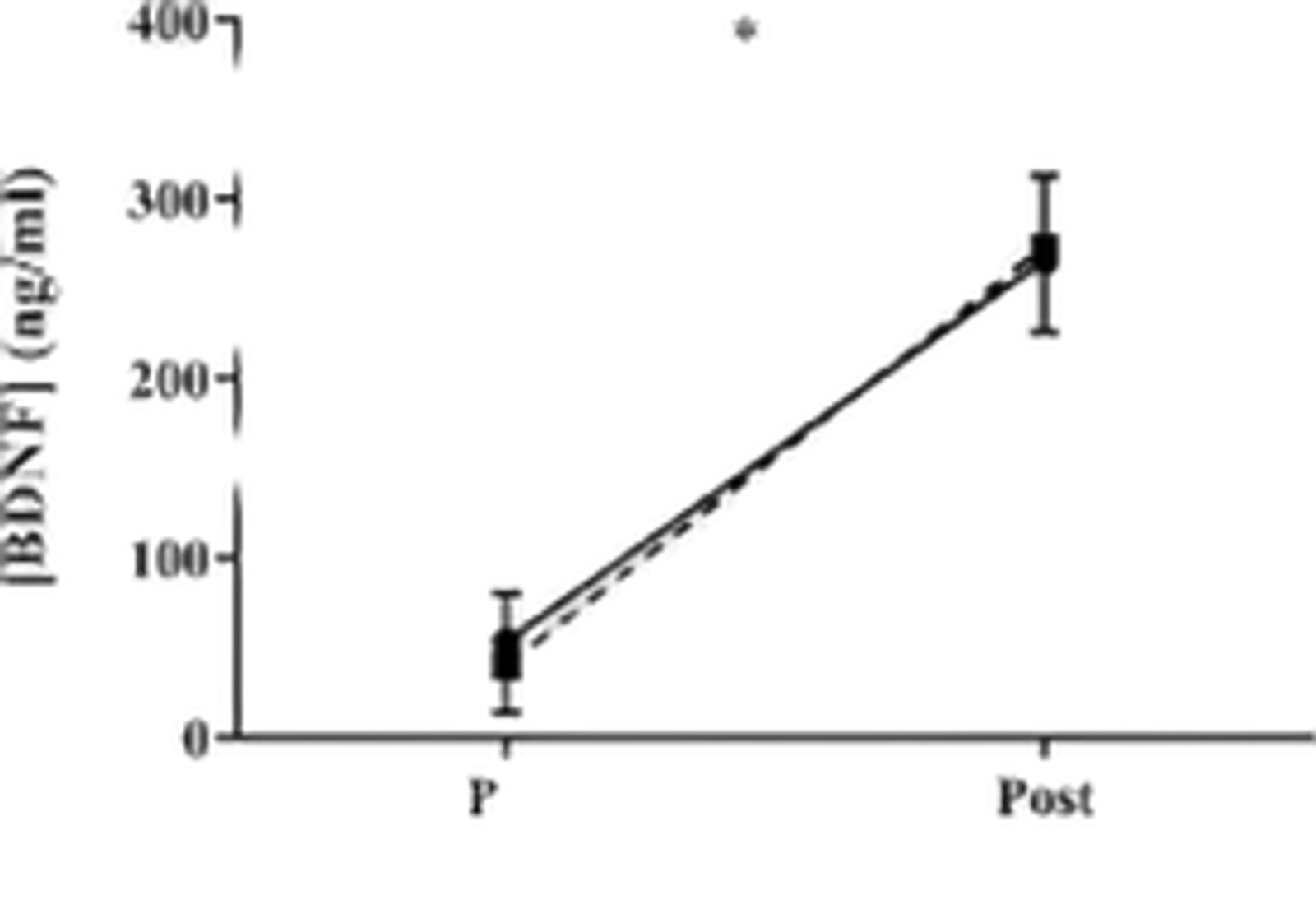
Brain-derived neurotrophic factor (BDNF) is a protein that supports the survival and growth of neurons and synapses, and a lack of BDNF has been linked to depression and cognitive decline. Levels of BDNF naturally decline with age, and lower BDNF is associated with increased risk of cognitive decline and depression.
Several components of the Mediterranean diet — including omega-3 fatty acids, curcumin, and polyphenols — have been studied for their effect on BDNF and mood. The relationship isn't fully characterized, but the signal is consistent: what you eat influences the biological conditions that determine how well your brain grows, adapts, and repairs itself. A recent study found that the Mediterranean Diet reduced the likelihood of depression and age-related cognitive decline.
Similar impact is seen with exercise, where it increases the brain-derived neurotrophic factor (BDNF) concentration.
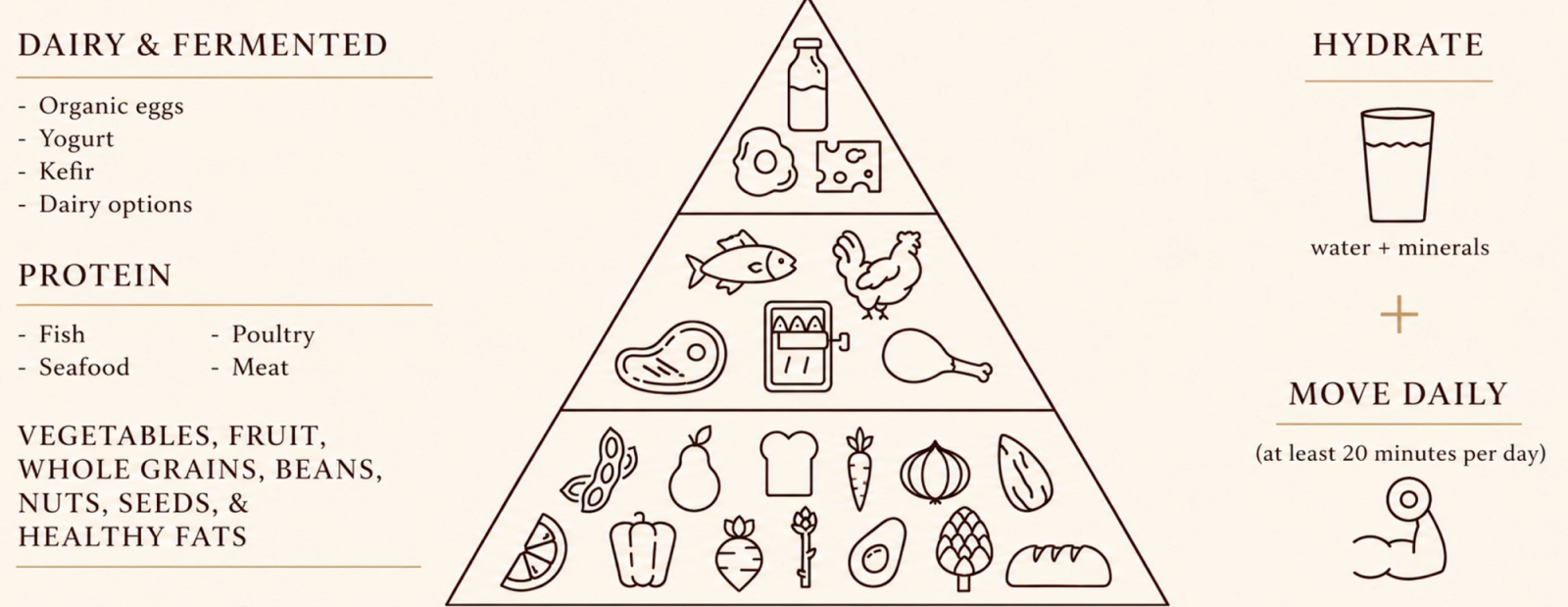
Grocery List to Begin
- Lamb's lettuce
- Quinoa
- Hake fish
- Olive oil (high in fat concentration)
“A dietary pattern that addresses multiple pathways at once is far more meaningful than any single superfood or supplement.”

About the author
Joel Totoro, RD
Joel Totoro, RD, is the Vice President of Nutrition at Bevimi and a registered dietitian and pioneer in sports nutrition and human performance. Totoro brings more than 20 years of experience helping elite athletes and high performers optimize their health, performance, and recovery through evidence-based nutrition.
Clinical References
- Vetterlein A, Plieger T, Monzel M, et al. Neuronal activation patterns during self-referential pain imagination. Neurobiol Pain. 2024;16:100158.
- Anderson NL, Salvo JJ, Smallwood J, et al. Mental imagery and perception overlap within transmodal association networks. Neuron. 2026;S0896-6273(26)00177-7.
- Shirtcliff EA, Finseth TT, Winer EH, et al. Virtual stressors with real impact: What virtual reality-based biobehavioral research can teach us about typical and atypical stress responsivity. Transl Psychiatry. 2024;14(1):441.
- Proverbio AM, Cesati F. Neural correlates of recalled sadness, joy, and fear states: A source reconstruction EEG study. Front Psychiatry. 2024;15:1357770.
- Wallentin M, Kruse L, Yan X, et al. Heart talk: Emotional inner speech increases heart rate. Psychophysiology. 2025;62(9):e70138.
- Cushing CA, Dawes AJ, Hofmann SG, et al. A generative adversarial model of intrusive imagery in the human brain. PNAS Nexus. 2023;2(1):pgac265.
- Calderone A, Latella D, Impellizzeri F, et al. Neurobiological changes induced by mindfulness and meditation: A systematic review. Biomedicines. 2024;12(11):2613.
- Hurst AJ, Boe SG. Imagining the way forward: A review of contemporary motor imagery theory. Front Hum Neurosci. 2022;16:1033493.
- Frank C, Guillot A, Vogt S. Imagery and motor learning. Psychol Res. 2024;88(6):1785-1789.
- Wolfers LN, Utz S. Social media use, stress, and coping. Curr Opin Psychol. 2022;45:101305.
- Moser JS, Dougherty A, Mattson WI, et al. Third-person self-talk facilitates emotion regulation without engaging cognitive control. Sci Rep. 2017;7(1):4519.
- Schertz KE, Orvell A, Chandhok S, et al. The frequency, form, and function of self-talk in everyday life. Sci Rep. 2025;15(1):38883.