
White Paper
Bevimi Uno: Innate Immune Optimization for Cognitive Longevity
Overview
Executive Summary
As global life expectancy rises, dementia and cognitive decline are accelerating toward epidemic proportions. By 2050, more than 140 million people worldwide are projected to live with dementia1, yet the biological changes driving these conditions begin decades before symptoms appear2. Conventional therapies primarily target late-stage disease with modest efficacy and significant side effects9,10. Clinicians urgently need preventive strategies, and patients are actively seeking them3.
Bevimi Uno is the first nutritional formulation specifically designed to upregulate LL-37 expression for cognitive health. Delivered as a 2-ounce daily shot containing approximately 4.8 grams of active ingredients, Uno works across the gut–brain–immune axis through four synergistic mechanisms:
- Mechanism 1: LL-37 Induction & Antimicrobial Defense
- Mechanism 2: Anti-Inflammatory & Pro-Resolution Activity (with named, quantified SPMs)
- Mechanism 3: Neuronal Repair & Resilience (with APOE4-specific phospholipid delivery)
- Mechanism 4: Cellular Energetics & NAD+ Restoration
To make Uno's multi-pathway activity clinically actionable, we present the Bevimi 5Rs for Cognitive Longevity: Remove, Reinforce, Reduce, Repair, and Regrow—a clinician-friendly framework that condenses complex science into a clear playbook for personalized protocols.
Bevimi Uno replaces what would otherwise require 20 or more daily capsules with a single, convenient 2-ounce shot—powered by a proprietary emulsion technology that solves the bioavailability problem that has limited the entire nutraceutical industry. For clinicians, it provides something that has never existed before: a comprehensive, science-backed intervention that addresses the full spectrum of upstream cognitive decline drivers in a format patients will actually use every day.
For the first time, clinicians have a tool that addresses the upstream drivers of cognitive decline and not just the symptoms. Your patients don't have to wait for a diagnosis to start protecting their brains. Bevimi Uno represents the beginning of a new era in cognitive health: one where prevention is specific, science-backed, and actionable.
-
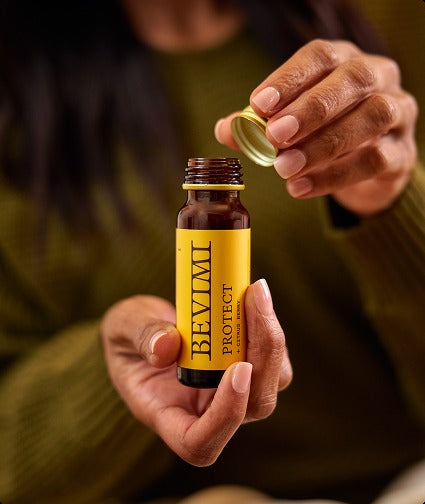
Bottoms Up
Take it by itself
-
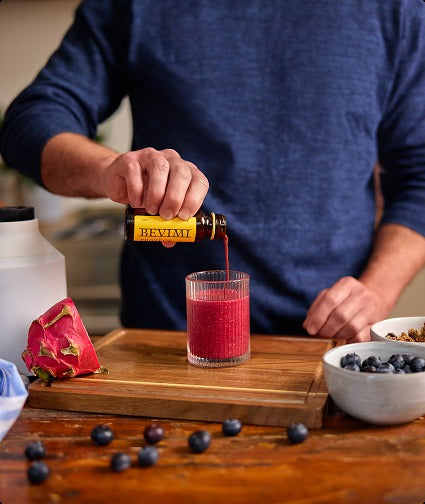
Mix It In
Add it to your favorite drink
-
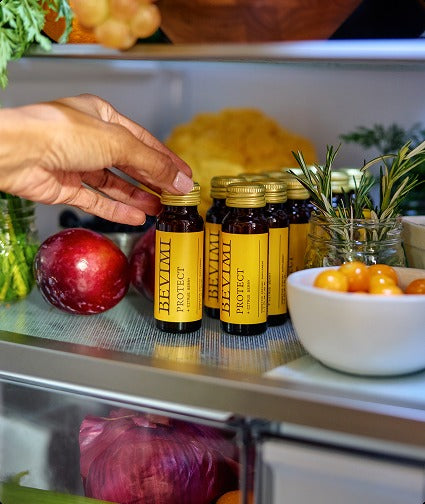
Chill It
Uno Protect is best when chilled
Bevimi Uno: a 2-ounce daily shot.
The Bevimi Breakthrough
LL-37: The Central Molecule in Cognitive Defense
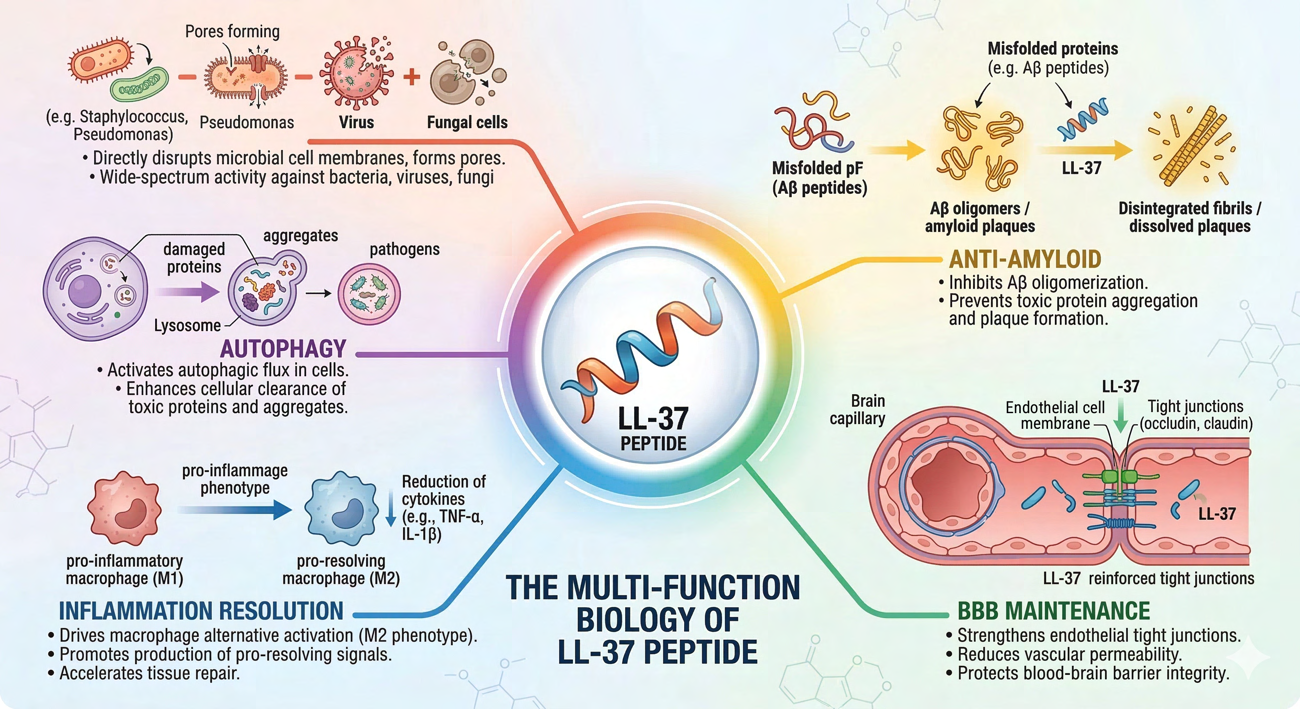
LL-37 is the sole human cathelicidin antimicrobial peptide38 with multifunctional roles and central to cognitive defense:
- Antimicrobial: Broad-spectrum against bacteria39, fungi40, and viruses41; deployed by neutrophils, macrophages, microglia, and epithelial cells
- Anti-amyloid: Binds Aβ42 to inhibit fibril/plaque formation; equimolar ratios completely prevent Aβ42 oligomerization; also binds α-synuclein and prevents amyloid formation42,43
- BBB maintenance: Upregulates tight junction proteins (claudins, occludin) in endothelial cells; essential for BBB integrity56
- Inflammation control: Binds LPS and viral RNA to prevent excessive TLR activation; shifts signaling toward resolution38. Notably, LL-37 expressed from within neurons resolves neuroinflammation by regulating microglial and astrocyte activation, while LL-37 released from neutrophils in response to infection can paradoxically promote inflammation84. This cell-source duality underscores the importance of supporting endogenous neuronal LL-37 expression.
- Autophagy: Strictly necessary for autophagy and macroautophagy; clears pathogens, damaged mitochondria, and protein aggregates44,56
Why LL-37 Declines: Two Pathways of Loss
- Underexpression: CAMP gene expression requires Vitamin D345, DHA47, magnesium46, and is enhanced by curcumin48 and EGCG49. Widespread (~70+%) Vitamin D3 insufficiency means chronically low LL-37 expression in most people56.
- Degradation & inactivation: P. gingivalis (Pg) gingipains directly degrade LL-37 and also downregulate LL-37 expression78. Pg's PPAD enzyme citrullinates LL-37, completely inactivating all functions. Citrullinated proteins accumulate in AD hippocampi56.
In many individuals, both pathways operate simultaneously. The consequences of neuronal LL-37 underexpression may be more severe than previously understood. Verma et al. (2024) demonstrated that LL-37 expressed from within neurons resolves neuroinflammation by regulating microglial and astrocyte activation through the formyl peptide receptor FPR2, while LL-37 released from neutrophils in response to infection or pathogen-associated molecular patterns can instead promote inflammation via NET-associated cGAS/STING signaling84. When neurons lack the nutritional co-factors for LL-37 production, the brain loses its endogenous anti-neuroinflammatory defense and is left dependent on only the neutrophil-derived, pro-inflammatory form. Bevimi Uno addresses this by providing the substrates for CAMP gene transcription, supporting the neuroprotective neuronal expression of LL-37 to counterbalance ongoing enzymatic degradation.
Mechanisms of Action
Four Core Mechanisms
-
01
LL-37 Induction & Antimicrobial Defense
-
02
Anti-Inflammatory & Pro-Resolution
Quercetin50, Zynamite® S Mango Leaf Extract (Mangiferin)51, Blueberry Fruit Extract, and Rare Ginsenoside-Enriched Red Panax Ginseng (Rg3/Rh2)53 reduce neuroinflammation across the gut–nerve–brain axis. Critically, the Romega Herring Roe extract delivers named, quantified Specialized Pro-resolving Mediators (SPMs)52—Maresins (MaR1, MaR2), Resolvin D5, Resolvin E2, and Protectin DX—directly to inflammation sites. Most omega-3 products don't even measure SPMs; Bevimi delivers them.
-
03
Neuronal Repair & Resilience
DHA, EPA, and DPA from Romega Herring Roe extract, plus a full phospholipid complex, deliver structural membrane lipids in the form the brain uses them. Choline (from phosphatidylcholine)54 supports nerve health. Vitamin K2 MK4 targets BBB repair74,75,76 and neuroplasticity signaling. For APOE4 carriers—the highest-risk population—the phospholipid delivery bypasses impaired APOE-mediated omega-3 transport via the APOE-independent Mfsd2a transporter.
-
04
Cellular Energetics & NAD+ Restoration
The formulation targets the NAD+ network through multiple pathways: boosting production via enzymatic activity in de novo and salvage pathways64,65, enhancing function through Sirtuin activation for mitochondrial health66,67,68,69,70,71,72, and preserving levels by inhibiting CD38 to prevent NAD+ depletion73. This counterbalances the mitochondrial assault from gingipains localized within neurons23,58.
Formulation
Formulation Overview
Total active payload: ~4.8 g (2.8 g labeled + 2.0 g Romega Herring Roe extract) in a single 2-ounce shot. All dosages are per serving.
| Ingredient | Specific Form | Dose | Primary Mechanism(s) |
|---|---|---|---|
| Quercetin | Quercetin | 250 mg | Anti-inflammatory; neuroprotective |
| Green Tea Extract | Std. to EGCG | 333 mg | CAMP gene expression (LL-37 induction) |
| Mango Leaf Extract | Zynamite® S | 100 mg | Anti-neuroinflammatory; mitochondrial |
| DHA* | Romega Herring Roe Extract | 600 mg | LL-37 induction; neuronal membranes; APOE4 transport |
| Vitamin D3 | Cholecalciferol | 75 mcg | CAMP transcription (primary LL-37 inducer) |
| Red Panax Ginseng | Rare Ginsenoside | 200 mg | CNS neuroprotection; HPA modulation |
| Vitamin K2 | MK4 | 100 mcg | BBB repair; neuroplasticity |
| Curcuma longa | Extract (95%) Curcuminoids | 250 mg | CAMP expression (VDR-dep. + indep.) |
| Blueberry Fruit Extract | Std. to anthocyanin content | 100 mg | Neuroprotective; synaptic plasticity |
| Magnesium | ATAMag™ | 770 mg | CNS uptake; Vit D co-factor; BBB |
*Romega Herring Roe Extract, a full spectrum Omega Ingredient (~2,000 mg additional actives): PL complex 581 mg (PC 493 mg, PE 50 mg, PI 17 mg, sphingomyelin 15 mg). Total Omega-3: 871 mg (DHA 600 mg, EPA 174 mg & DPA). Choline: 77.4 mg. SPMs: Maresins 1.64 mcg, RvD5 0.73 mcg, RvE2 1.45 mcg, Protectin DX 0.91 mcg.
Ingredient → Mechanism Map
How Each Ingredient Maps to Each Mechanism
| Ingredient | LL-37 Induction | Anti-Inflammatory | Neuronal Repair | NAD+ Optimization |
|---|---|---|---|---|
| Quercetin | ↓NF-κB, ↓TNF-α, ↓IL-1β, ↓IL-6, mast cell stabilization, ROS scavenger | Inhibits microglia & astrocyte activation, inhibits neuronal cell death | ↓CD38 | |
| Green Tea Extract | ↓NF-κB, ↓TLR-4, ↑Nrf2 | Neurogenesis support, synaptic plasticity support, ↑BDNF | ↓CD38, ↑SIRT1 | |
| Mango Leaf Extract (Zynamite® S) | ↓NF-κB, ↓TNF-α, ↓IL-1β, ↓IL-6, ↓COX-2, ↓iNOS, ↓GSK3β, ↑Nrf2 | LTP enhancement, ↓COMT, ↑BDNF | ↓CD38, ↑SIRT1, mitochondrial protection | |
| DHA + EPA | Acts as RXR-α agonist, a co-factor for CAMP gene expression induction | Reduces neutrophil infiltration, shifts macrophages from M1→M2 | Increase membrane integrity, ↑BDNF, ↑NPD1, improves myelin integrity | ↓CD38, ↑NAMPT, mitochondrial protection |
| Vitamin D3 (Cholecalciferol) | VDR-mediated induction of CAMP gene expression | ↓NF-κB, ↓TNF-α, ↓IL-12, ↓IL-6, ↑IL-10, promotes T-regulatory cells | ↑BDNF, ↑NGF, supports remyelination | ↓PARP1, ↓CD38, ↑NAMPT, mitochondrial protection |
| Red Panax Ginseng (Rare Ginsenoside) | ↓NF-κB, ↓TNF-α, ↓NLRP3, ↓IL-6, shifts macrophages from M1→M2 | ↑BDNF, ↑NGF, reduces glutamate excitotoxicity | ↑AMPK, ↑SIRT1, ↑NAMPT, mitochondrial protection | |
| Vitamin K2 (MK4) | ↓NF-κB, ↓NLRP3, ↑GAS6 | Enhances sphingolipid metabolism, reduces glutamate excitotoxicity | ATP preservation, optimizes NAD+/NADH ratios | |
| Curcuma longa | Increases LL-37 indirectly via gut butyrate production | ↓NF-κB, ↓TNF-α, ↓IL-1β, ↓IL-6, ↓COX-2, ↓LOX, ↑Nrf2 | ↑BDNF, ↑NGF, anti-amyloid activity | ↓CD38, ↑SIRT1, optimizes NAD+/NADH ratios |
| Blueberry Fruit Extract (Anthocyanins) | Increases LL-37 indirectly via gut butyrate production | ↓NF-κB, ↓IL-6, ↓COX-2, ↑Nrf2 | ↑BDNF, microglia inhibition, LTP enhancement | ↓CD38, ↑SIRT1, ↑NAMPT |
| Magnesium (ATAMag™) | VDR activation co-factor | ↓NF-κB, ↓IL-6, ↓Substance P, ↓CRP, Taurine synergy | Optimizes NMDA, kainate, and GABA | ↓PARP1, NMNAT co-factor, ATP-Mg complex |
Formulation Rationale
Why a Multi-Pathway Formulation?
While each ingredient in the Bevimi Uno formulation has independent published evidence supporting its mechanism of action, the combined formulation has not yet been studied in clinical trials. The PS36 trial (see Clinical Evidence Program) is designed to address this.
The cognitive health supplement market is crowded with single-ingredient products (e.g., standalone fish oil, curcumin capsules, vitamin D tablets) each addressing one narrow pathway in isolation. Bevimi Uno was designed from the ground up as something fundamentally different: a multi-pathway formulation where every ingredient was selected for its specific role in the innate immune optimization framework, delivered in forms chosen for CNS penetration, at doses enabled by proprietary emulsion technology. Why not simply prescribe these ingredients separately? Seven reasons:
- CNS-targeted forms: ATAMag™ for CNS uptake; K2 MK4 for BBB repair74,75,76. Not commodity supplement forms.
- APOE4 phospholipid advantage: PL-form DHA/EPA bypasses impaired APOE-mediated transport via Mfsd2a.
- Named, quantified SPMs: Maresins, Resolvins, Protectin DX. Not in any commodity omega-352.
- Rare ginsenosides: CNS-active Rg3/Rh2 mimicking 20-year wild root profile53.
- Proprietary emulsion: ~4.8 g hydrophobic actives in bioavailable liquid—vs. 20+ capsules.
- Synergistic interactions: Mg required for Vitamin D metabolism46; curcumin dual CAMP pathways48; DHA as RXRα agonist + membrane component47.
- Single-shot compliance: Replaces pill fatigue with a convenient daily 2-ounce shot.
Clinical Framework
The Bevimi 5Rs for Cognitive Longevity
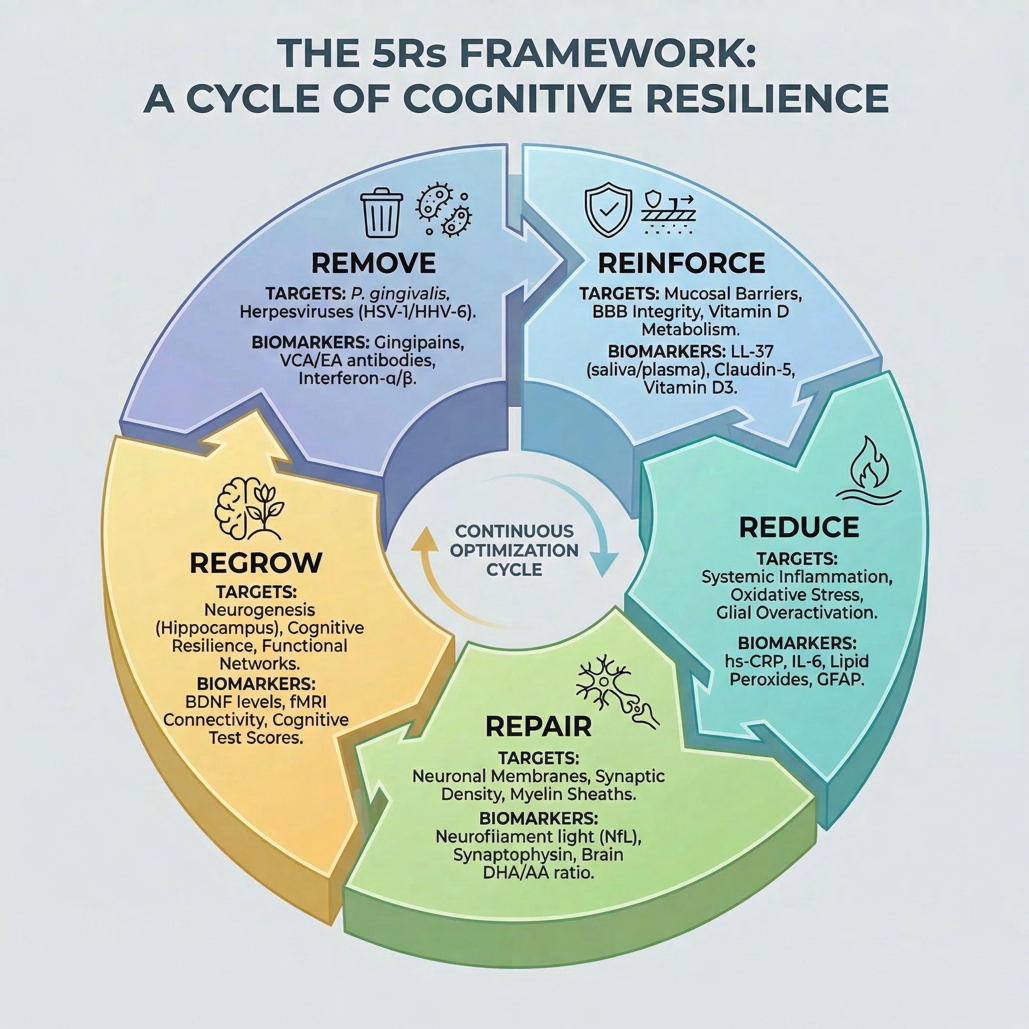
Modeled after IFM's “5Rs” for gut health, the Bevimi 5Rs translate complex science into a clinician-friendly playbook. Everything else in this white paper—the scientific underpinnings, the clinical evidence, the patient protocols—plugs into this integrative framework with actionable targets and measurable biomarkers.
-
01 · Remove
Clear microbial and environmental drivers of neuroinflammation
Targets: P. gingivalis, viral reactivations
Key biomarkers: Pathogen load, gingipain assays, antimicrobial activity
-
02 · Reinforce
Strengthen immune tone and restore balance
Targets: LL-37 expression, innate/adaptive immune synergy
Key biomarkers: LL-37 per leukocyte ratio55, Vitamin D3 status, Omega-3 index
-
03 · Reduce
Control chronic inflammatory signals and debris
Targets: Tau phosphorylation, amyloid aggregation, systemic inflammation
Key biomarkers: pTau-21762, NfL, Aβ42/40, hs-CRP, serum SPMs
-
04 · Repair
Stimulate BBB and myelin repair
Targets: Endothelial integrity, autophagy, glial support
Key biomarkers: S100β, Zonulin, PDGFRβ, MMP-9
-
05 · Regrow
Promote synaptic density and neurogenesis
Targets: BDNF-driven neuronal growth, synaptic plasticity
Key biomarkers: Serum BDNF, neurotrophic factors
A detailed biomarker monitoring guide for clinicians—organized by accessibility (standard labs, specialty testing, and PS36 trial-level assays)—is provided in the Clinical Application section below.
The Clinical Challenge
Unmet Needs for an Aging Population
Forty-two percent of U.S. adults are now older than 45, with 17% already older than 654. More than seven million Americans live with Alzheimer's disease, and one million with Parkinson's disease5. Despite decades of research, conventional therapies provide only modest benefit and do not address upstream drivers of disease. Around 75% of people with early-stage neurodegenerative disease or dementia remain undiagnosed79.
Diagnostic Innovations Are Empowering Patients
Patients are arriving at clinics armed with new information:
- APOE genotyping reveals genetic risk: APOE4 heterozygotes face approximately 6x elevated risk; APOE4/E4 homozygotes face up to 31x elevated risk compared to E3/E363
- Blood-based pTau-217 tests can now predict Alzheimer's pathology up to two decades before symptom onset6,62
- Both tests are available through LabCorp and Quest Diagnostics
Patients are asking: “I'm APOE4 positive—what can I do now?” Clinicians need actionable answers.
Neuroinflammation: The Unifying Clinical Concern
A recent review in Science (Shi & Yong, 2025)7 establishes neuroinflammation as a central feature across most neurological disorders:
- 28% of 25,800 individuals reported brain fog as a long-term effect of COVID-198
- Persistent microglial/astrocyte activation drives a feed-forward cycle of neuroinflammation and neurodegeneration
- Women have lower endogenous LL-37 expression than men—which may contribute to the 2:1 female-to-male AD ratio56
The Science
The Gut–Brain–Immune Axis
A Unified Theory of Alzheimer's Disease
For over a century, the “Amyloid Hypothesis” proposed that Aβ accumulation causes neurodegeneration. Yet the consistent failure of Aβ-clearing therapies has necessitated a broader understanding9,10. A groundbreaking Editor's Choice review in the Journal of Internal Medicine (Barron et al., 2026)56 unifies the amyloid cascade and infectious theories into a single framework:
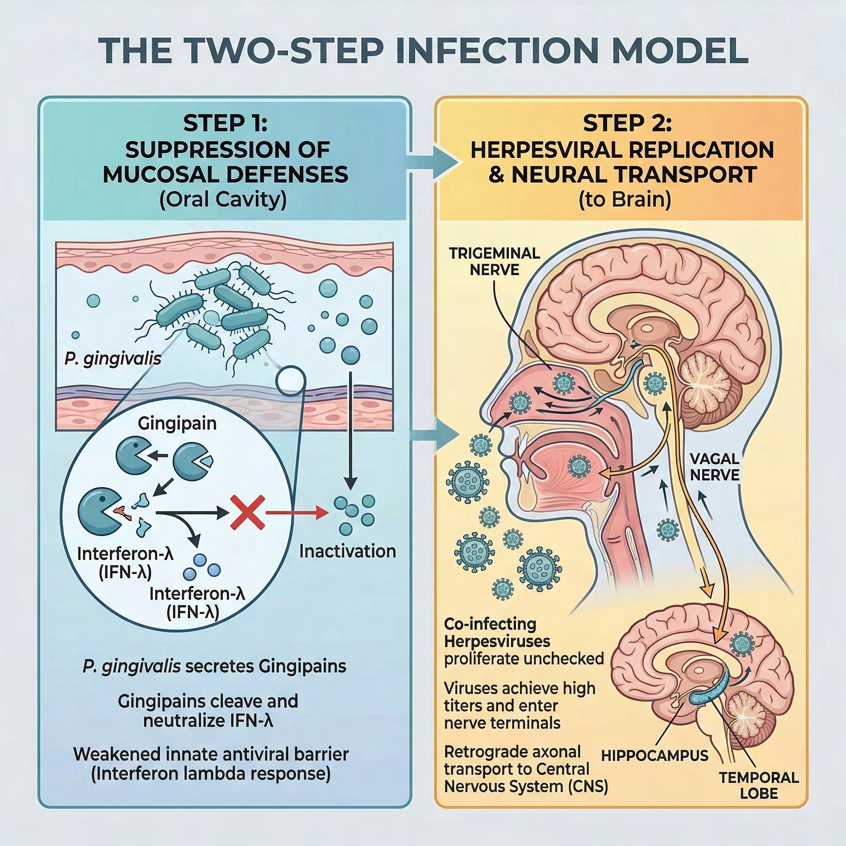
The Two-Step Infection Model
Step 1 — Immune Suppression by P. gingivalis. The anaerobic oral pathogen P. gingivalis (Pg)—the primary etiological agent in periodontitis, now recognized as a driver of systemic disease16—suppresses antiviral immunity through gingipain virulence factors: cysteine proteases that degrade LL-37, ApoE, interferons, and TNF-α56. This produces a “broad paralysis” of the interferon response, specifically disabling the IFN-λ pathway, which is essential for immunity to viral infections11,12.
Step 2 — Unchecked Herpesvirus Replication. With antiviral immunity suppressed, HCMV13 and HSV-114 replicate undeterred, then travel through nerve pathways to the brain. There is no BBB within these nerves56.
Independent epidemiological evidence supports this model. BCG vaccination—which broadly upregulates antiviral immunity80 and LL-37 expression81—was associated with a 58% relative risk reduction for Alzheimer's disease in bladder cancer patients59. The shingles vaccine, which targets herpesvirus reactivation, is associated with a 20% lower risk of dementia60,61. These findings provide striking validation that interventions targeting infections or boosting innate immunity can meaningfully reduce dementia risk.
Action at a Distance: How an Oral Pathogen Damages the Brain
Pg does not need to physically colonize the brain. It exerts damage through:
- Vesicle trafficking: ~50 nm outer membrane vesicles (OMVs) carry damaging gingipain cargo across the BBB to neurons18,19,20
- Neural pathways: Pg products travel via vagal and trigeminal nerves where there is no BBB protection56
Immunogold EM confirms gingipains within neurons, localizing to mitochondria, neuromelanin, and nuclei23. Gingipain localization to mitochondria may directly contribute to the mitochondrial dysfunction that is a hallmark of AD21. In vitro, Pg invades human iPSC-derived neurons and produces active gingipains for 72+ hours58.
Pg also drives neuroinflammation in neurological conditions such as Multiple Sclerosis, which is linked with Epstein-Barr Virus infection82,83. Notably, Pg forms polymicrobial partnerships—including with Candida albicans—that enhance its virulence and enable aerobic survival, broadening its pathogenic reach beyond the anaerobic periodontal pocket17.
APOE4 Vulnerability: Where Genetics Meets Infection
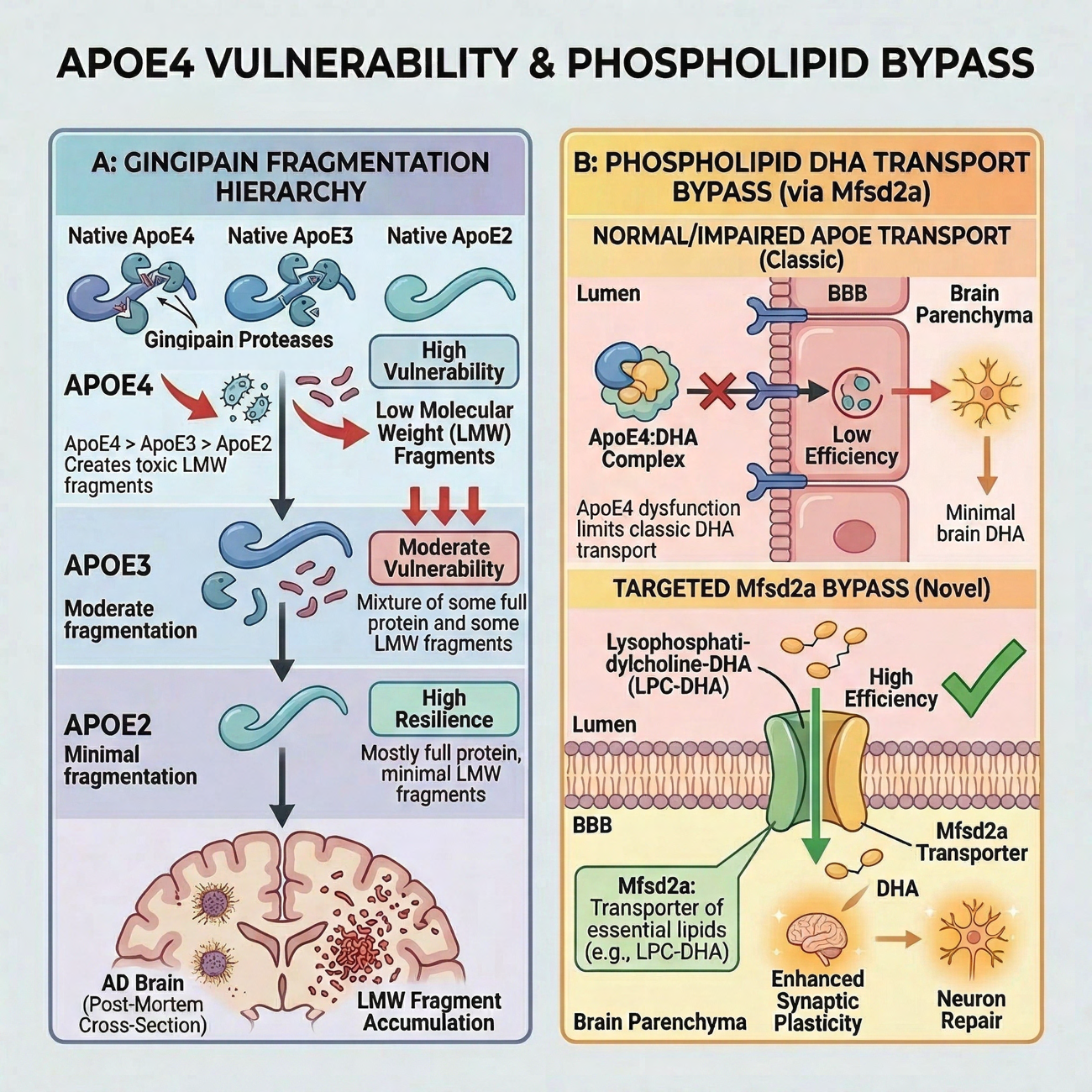
The APOE4 allele is the greatest genetic risk factor for sporadic AD, conferring 6–31x elevated risk compared to E3/E363. The unified theory explains why56:
- Gingipains preferentially cleave ApoE4 over ApoE3 and ApoE215,56
- Fragmented ApoE cannot transport cholesterol to neurons or activate complement (C1q)56
- LMW ApoE fragments are found in AD brains but not controls15,56
- The protein most important for neural defense is most vulnerable to the pathogen driving the disease
The Downward Spiral: Amyloid, Tau, and the Feed-Forward Cycle
Chronic co-infection leads to mitochondrial damage21, suppressed autophagy22, and a vicious neuroinflammatory cycle. Pg gingipains have been found in AD brains15 and in the substantia nigra of Parkinson's brains23. Both Aβ and tau follow a “dual role” trajectory:
- Aβ dual role: Aβ is an antimicrobial peptide—overproduction under chronic infection leads to plaque formation42,56
- Tau dual role: Gingipain-fragmented tau peptides display antimicrobial activity against Pg—but other fragments seed neurofibrillary tangles57
Elevated pTau-21762 may therefore reflect ongoing Pg-driven proteolytic assault—not merely a passive biomarker.
Amplifiers: Chronic Stress and Traumatic Brain Injury
Beyond infectious drivers, two factors further exacerbate the neuroinflammatory cascade:
- Chronic stress: Sustained glucocorticoid exposure inhibits hippocampal neurogenesis, promotes dendritic atrophy, activates pro-inflammatory microglia24,25,26,27
- Traumatic brain injury: Even mild TBI initiates microglial activation and BBB disruption28,29,30; head trauma reactivates HSV-136 and VZV37; repeated TBI patients show elevated NfL34 and pTau-21735 years later. TBI also disrupts intestinal barrier integrity and induces gut microbial dysbiosis31,32, creating a systemic inflammatory state that modulates the immune response and impairs neurogenesis33—connecting head injury directly to the gut–brain–immune axis
Delivery
Delivery, Dosing & Bioavailability
Proprietary Emulsion Technology
Many potent cognitive-health compounds—curcumin, EGCG, quercetin, DHA—are hydrophobic with poor bioavailability in standard forms. Through an exclusive partnership with an industrial pioneer, Bevimi developed a first-of-its-kind, patent-pending liquid stabilized formulation that achieves water solubility of fat-soluble and insoluble ingredients at high payloads, with confirmed stability of all 10 active ingredients. The result is approximately 4.8 grams of actives in a single 2-ounce liquid format—a payload that would require 20 or more capsules to approximate, with inferior bioavailability.
Evidence-Informed Dosing
Each dose is informed by published effective doses, enabled by the emulsion platform:
- Vitamin D3 at 3000 IU for optimal LL-37 expression45
- ATAMag™ at 770 mg for CNS magnesium + Vitamin D metabolism co-factor46
- DHA in phospholipid form—bioavailable even in APOE4 carriers47
- Curcuma longa at 250 mg (95%)—clinically meaningful via emulsion enhancement48
The APOE4 Phospholipid Advantage
APOE4 carriers face impaired triglyceride-form omega-3 transport to the brain. Bevimi's Romega Herring Roe extract solves this by delivering DHA and EPA in phospholipid forms via the APOE-independent Mfsd2a transporter, alongside a full phospholipid complex (581 mg), choline (77.4 mg), and named SPMs52. For the highest-risk patient population, this delivery advantage is unique to Bevimi.
For heterozygous carriers (APOE3/4), the Bevimi Uno formulation provides additional pathways for increasing brain DHA levels. Beyond the phospholipid form required by APOE4 homozygotes, brain-to-RBC DHA ratios are significantly elevated when flavonoids are co-administered with DHA, further enhancing brain uptake over simple omega-3 standalone supplementation77.
Clinical Application
Designed Clinical Benefits
Based on its multi-pathway mechanism of action, Bevimi Uno is designed to deliver:
- Sharper cognition — Through LL-37-mediated neuroinflammation reduction and microbial clearance
- Cognitive longevity — By addressing upstream infectious/inflammatory drivers of age-related decline
- Immune resilience — Through enhanced LL-37 expression and innate/adaptive immune synergy
- Gut–brain axis health — Through systemic inflammation control and barrier integrity support
- Energy and wellness — Through NAD+ restoration and improved mitochondrial function
Ideal Patient Populations
- Adults over 35 seeking to preserve brain health
- Family history of MCI, Alzheimer's, or Parkinson's
- APOE4 carriers seeking proactive cognitive protection (6–31x elevated risk63)
- Post-COVID or chronic inflammation with brain fog8
- High-performance individuals under chronic stress
Protocols & Dosing
Bevimi Uno as a once- or twice-daily 2-ounce shot (~4.8 g actives), integrated with diet, exercise, and sleep optimization.
Biomarker Monitoring Guide
For clinicians incorporating Bevimi Uno into patient protocols today:
- Standard labs (Quest/LabCorp): pTau-21762, hs-CRP, Vitamin D3 (25-OH), GGT, CBC
- Specialty/functional testing: OmegaQuant (Omega-3 index), Zonulin, serum BDNF
- PS36 trial (NULISAseq): 370-analyte NULISAseq panel (NfL, GFAP, APOE4, TREM2, SNAP25, S100B, cytokines)
Baseline + follow-up of pTau-217, hs-CRP, Vitamin D3, and Omega-3 index provide the most accessible monitoring framework today. Trial data will inform expanded guidance.
For practitioner resources including biomarker monitoring templates and patient education materials, contact science@mybevimi.com.
Case Vignettes
How Clinicians Might Incorporate Bevimi Uno
The following vignettes illustrate how clinicians might incorporate Bevimi Uno into patient protocols. Clinical trial data is forthcoming.
-
01
55-year-old with AD family history
A patient carries the APOE4 allele and is alarmed after a parent's Alzheimer's diagnosis. Baseline biomarkers show mild hs-CRP elevation (1.8 mg/L) and early shifts in the Aβ42/40 ratio. Vitamin D3 is suboptimal at 28 ng/mL. Bevimi Uno is introduced as part of a preventive protocol alongside dietary changes, exercise, and referral for comprehensive periodontal evaluation to assess P. gingivalis burden. The phospholipid-form DHA specifically addresses impaired APOE4 omega-3 transport. At 12-week follow-up, Vitamin D3 rises to 52 ng/mL, hs-CRP trends downward, and the patient reports improved mental clarity and confidence in a proactive strategy.
-
02
Healthy 40-year-old with APOE4/E4
A genetically informed patient carries two APOE4 copies—conferring up to 31x elevated risk63—but shows no cognitive symptoms. They want to do everything possible to alter their trajectory. Bevimi Uno is introduced alongside a comprehensive protocol of Mediterranean diet, aerobic exercise, sleep optimization, stress management, and proactive periodontal health care to address the Pg-driven disease pathway at its source.
-
03
Executive with chronic brain fog
A 48-year-old executive presents with persistent brain fog, reduced focus, and declining productivity under chronic workplace stress. Despite normal standard labs and adequate sleep, cognitive performance remains impaired. Functional testing reveals suboptimal Omega-3 index (4.2%) and low-normal Vitamin D (31 ng/mL). Bevimi Uno is incorporated—the rare ginsenosides (Rg3/Rh2) modulate the HPA axis for stress resilience while the anti-inflammatory ingredients target underlying neuroinflammation. Within weeks, the patient reports sharper cognition and regained productivity without relying on stimulants.
-
04
Post-COVID patient
A 38-year-old reports lingering brain fog, slowed processing, and poor concentration six months after COVID-19 infection. Functional testing shows elevated hs-CRP (3.1 mg/L) and low Omega-3 index (3.8%). Bevimi Uno is introduced alongside lifestyle measures. The direct SPM delivery52—Maresins, Resolvins, Protectin DX—provides the resolution molecules the patient's inflamed brain needs for recovery, while LL-37 upregulation strengthens innate immune defenses against future infections. By 8 weeks, hs-CRP trends toward normal and the patient reports markedly improved energy and cognitive function.
Practice value: Incorporating Bevimi Uno into your practice enhances patient outcomes, improves satisfaction, and differentiates your clinic as a leader in proactive brain health. Patients who receive actionable, science-backed cognitive health protocols develop deeper trust—and stronger long-term relationships—with their clinician.
Safety
Safety, Contraindications & Drug Interactions
All active ingredients in Bevimi Uno are Generally Recognized as Safe (GRAS) with well-established safety profiles supported by extensive published literature. The following considerations are noted for clinicians:
- Vitamin K2 and anticoagulants: Practitioners should exercise caution in patients on warfarin or other vitamin K antagonists, as Vitamin K2 (MK4) may attenuate anticoagulant efficacy. INR monitoring is advised when initiating Bevimi Uno in these patients.
- Curcumin and anticoagulants: High-dose curcumin may potentiate anticoagulant and antiplatelet effects. Clinicians should monitor patients on concurrent blood-thinning medications.
- Magnesium and renal function: While the 770 mg ATAMag™ dose is within established safe ranges, clinicians should exercise caution in patients with impaired renal function, as magnesium clearance may be reduced.
- Clinical trial safety data: Product-level safety and tolerability data are being generated through the PS36 clinical trial, which has adverse events as its primary endpoint. This reflects Bevimi's commitment to generating rigorous evidence beyond ingredient-level safety data.
Clinical Evidence
Clinical Evidence Program
Bevimi is investing in the kind of rigorous clinical evidence that the supplement industry has historically avoided. While most nutraceutical companies rely on ingredient-level research and anecdotal reports, Bevimi has designed a pharma-grade clinical program with double-blind placebo-controlled methodology and 370-analyte proteomic profiling—setting a new standard for evidence in the cognitive health space.
The first study, Protocol PS36 (currently in the IRB approval process), is a 24-week randomized, double-blind, placebo-controlled decentralized safety trial with approximately 32 weeks total participant timeline.
Trial Design
- Population: ~150 adults aged 45–70 with self-reported cognitive decline
- Primary endpoint: AEs/SAEs: number, frequency, severity, and AE-related withdrawals
- Secondary endpoints: Digital cognition (BrainHQ), PROs (PROMIS, PSQI), blood biomarkers
Deep Proteomic Data
370 protein analytes via Alamar Biosciences NULISAseq:
- CNS Disease Panel (120): pTau-217/181/231 (standard + brain-derived), Aβ42/40, NfL, GFAP, BDNF, SNAP25, TREM2, APOE4 isoform
- Inflammation Panel AQ (250): Comprehensive cytokine/chemokine profiling, MMPs, TNF superfamily, growth factors
Future studies will expand into neuroimaging, epigenetic immune-age clocks, and additional modalities.
About Bevimi
Science Team
Bevimi is a cognitive health company founded on the conviction that neurodegeneration is not inevitable—and that the science to prevent it is here. The company brings together a world-class team with combined 80+ years of experience spanning immunology, neuroscience, AI, pharmacology, and consumer health.
-
Ph.D.
Annelise E. Barron
Associate Professor (on leave) of Bioengineering, Stanford University. Wu Tsai Neurosciences Institute, Stanford Cancer Institute. Leading researcher in immunology, LL-37, and Alzheimer's disease. Lead author of the Editor's Choice review in the Journal of Internal Medicine (2026)56.
-
Ph.D.
Joel Dudley
Former Professor, Icahn School of Medicine at Mount Sinai. Top researcher in Healthcare AI with 20 years of experience. Former Silicon Valley venture capitalist.
-
Ph.D., ND
Stephen Phipps
Chief Innovation Officer. Specialized in pharmacology with 16 years of industry experience. Former Thorne.
-
M.B.B.S.
Ben Readhead
-
Ph.D., M.D.
Bodi Zhang
Former Assistant Professor, Tufts University. Specialized in immunology with 10+ years of experience.
Bevimi's science team works at the intersection of the latest advances in immunology, neuroscience, and AI—translating cutting-edge research from Stanford, ASU-Banner, and other leading institutions into practical products that clinicians can use with their patients today.
Looking Ahead
The Future of Precision Brain Health
The field of brain health is shifting rapidly from reactive treatment to precision prevention. Advances in biomarkers, digital twins, and AI-driven personalization are enabling high-precision medicine to preserve and optimize cognitive health. However, this journey is just beginning—and Bevimi is leading the way.
To date, few studies have been designed to collect the type of deep, multimodal biological data required to enable the practice of precision prevention in cognitive health. This is because the majority of research efforts have focused on late-stage disease—after irreversible damage has already occurred. The result is a data drought: AI and precision medicine cannot deliver personalized cognitive health solutions without large-scale datasets spanning molecular biomarkers, digital biomarkers, immune profiling, and longitudinal outcomes.
Bevimi is planning numerous clinical studies to turn the promise of scientific wellness and precision prevention for cognitive health into a reality. With 370 protein analytes measured per participant through NULISAseq technology, alongside digital cognition assessments and patient-reported outcomes, Bevimi's clinical program will generate one of the richest datasets ever assembled for pre-disease cognitive health. This data will enable:
- Precision personalization: AI-driven identification of individual risk profiles and personalized intervention strategies
- Next-generation products: Development of next-generation cognitive health products informed by deep biological insights
- Evidence foundation: Validation of the innate immune optimization paradigm with rigorous, publishable clinical evidence
- Clinical decision tools: New biomarker-guided protocols that clinicians can use to monitor and optimize patient outcomes over time
Consumers are becoming more science-driven, demanding proof rather than promises. Commercial blood panels now measure pTau-217, GFAP, inflammatory markers, and APOE4 genetics—capabilities that were impossible just a few years ago. Brain health has moved from stigma to spotlight, and clinicians who position themselves at the forefront of this shift will define the next era of preventive medicine.
Get Started
Improve Patient Cognitive Health Today with Bevimi
Neuroinflammation is a modifiable driver of cognitive decline. Bevimi Uno provides clinicians with a convenient, science-backed, first-in-class, and patient-friendly solution to help their patients defend against infections, calm inflammation, repair neural structures, and preserve cognition.
The overall experience of the Bevimi Uno user should include, with once- or twice-daily use:
- Generally enhanced innate immune health and well-balanced adaptive immune system responses, resulting in better overall health, wellness, and energy
- A reduction in neuroinflammation, which will speed cognitive processing and help maintain memory
- Enhanced longevity of cognitive function and a reduced risk during aging of developing cognitive decline
Contact our team to learn how you can trial Bevimi Uno with at-risk patients or incorporate Bevimi Uno into your cognitive longevity patient protocols.
Sources & References
This White Paper is intended for health-care practitioners evaluating or using Bevimi products. Please do not distribute copies to patients.
- Nichols E, et al. Estimation of the global prevalence of dementia in 2019 and forecasted prevalence in 2050. Lancet Public Health. 2022;7(2):e105-e125.
- Sperling R, Mormino E, Johnson K. The Evolution of Preclinical Alzheimer’s Disease. Neuron. 2014;84(3):608-622.
- Future of Wellness Survey. McKinsey; 2024.
- Fact Sheet: Aging in the United States. Population Reference Bureau; 2024.
- 2025 Alzheimer’s disease facts and figures. Alzheimers Dement. 2025;21(4):e70235.
- Feizpour A, et al. Detection and staging of AD by plasma pTau217. eBioMedicine. 2024;109:105405.
- Shi FD, Yong VW. Neuroinflammation across neurological diseases. Science. 2025;388(6753):eadx0043.
- Alim-Marvasti A, et al. Subjective brain fog: characterization in 25,796 participants. Front Hum Neurosci. 2024;18:1409250.
- Behl C. The amyloid-cascade-hypothesis still remains a working hypothesis. Front Aging Neurosci. 2024;16:1459224.
- Kepp KP, et al. The amyloid cascade hypothesis: an updated critical review. Brain. 2023;146(10):3969-3990.
- Rodriguez-Hernandez CJ, et al. Microbiome-mediated incapacitation of interferon lambda. Proc Natl Acad Sci. 2021;118(51):e2105170118.
- Dobosz E, et al. Kgp of P. gingivalis promotes viral infection by disabling the interferon pathway. mBio. 2025:e00298-25.
- Readhead BP, et al. AD-associated CD83+ microglia linked with HCMV. Alzheimers Dement. 2025;21(1):e14401.
- Readhead B, et al. Multiscale Analysis of Independent AD Cohorts Finds Disruption by Human Herpesvirus. Neuron. 2018;99(1):64-82.e7.
- Dominy SS, et al. P. gingivalis in AD brains: Evidence for disease causation. Sci Adv. 2019;5(1):eaau3333.
- Messina BM, et al. Key Role of P. gingivalis in Periodontitis Linked with Systemic Diseases. Appl Sci. 2025;15(12):6847.
- De Jongh CA, et al. P. gingivalis interaction with C. albicans. Biofilm. 2024;7:100172.
- Wu Z, et al. Outer membrane vesicles of P. gingivalis: pathogenicity and mechanisms. Front Microbiol. 2025;16:1555868.
- Koukoulis TF, et al. Bacterial OMVs in Parkinson’s Disease? J Park Dis. 2024;14(2):227-244.
- Gegout PY, et al. Pg infection drives pro-inflammatory extracellular vesicles. Sci Rep. 2025;15(1):24704.
- Ashleigh T, et al. Mitochondrial dysfunction in AD pathogenesis. Alzheimers Dement. 2023;19(1):333-342.
- Wong E, Cuervo AM. Autophagy gone awry in neurodegenerative diseases. Nat Neurosci. 2010;13(7):805-811.
- Ermini F, et al. Ultrastructural localization of Pg gingipains in substantia nigra of PD brains. npj Park Dis. 2024;10(1):90.
- McEwen BS, et al. Stress Effects on Neuronal Structure. Neuropsychopharmacology. 2016;41(1):3-23.
- Kim EJ, et al. Stress effects on the hippocampus: a critical review. Learn Mem. 2015;22(9):411-416.
- P S, Vellapandian C. HPA Axis in Stress-Induced AD and Depression. Cureus. 2024. doi:10.7759/cureus.67595
- Algamal M, et al. Chronic Hippocampal Abnormalities and Blunted HPA. Front Behav Neurosci. 2018;12:150.
- Johnson VE, et al. Widespread Tau and Amyloid-Beta Pathology After TBI. Brain Pathol. 2012;22(2):142-149.
- Shlosberg D, et al. BBB breakdown as therapeutic target in TBI. Nat Rev Neurol. 2010;6(7):393-403.
- Lifshitz J, et al. Mitochondrial damage in TBI. Mitochondrion. 2004;4(5-6):705-713.
- Pan P, et al. Intestinal barrier dysfunction following TBI. Neurol Sci. 2019;40(6):1105-1110.
- Bansal V, et al. TBI and Intestinal Dysfunction. J Neurotrauma. 2009;26(8):1353-1359.
- Celorrio M, et al. Gut dysbiosis after TBI modulates immune response. Acta Neuropathol Commun. 2021;9(1):40.
- Graham NSN, et al. Neurofilament light predicts outcomes after TBI. Sci Transl Med. 2021;13(613):eabg9922.
- Asken BM, et al. P-tau181 and P-tau217 in Traumatic Encephalopathy. Neurology. 2022;99(6).
- Cairns DM, et al. Repetitive injury reactivates HSV-1 in brain tissue model. Sci Signal. 2025;18(868):eado6430.
- Häfelfinger R, et al. VZV and HSV-1 Reactivation after Head Injury. Eur J Case Rep Intern Med. 2020;7(12):49.
- Vandamme D, et al. Comprehensive summary of LL-37. Cell Immunol. 2012;280(1):22-35.
- Vanzolini T, et al. Synthetic Antimicrobial Peptides: Antibacterial, Antifungal, Antiviral. Int J Mol Sci. 2022;23(1):545.
- Memariani M, Memariani H. Antifungal properties of cathelicidin LL-37. World J Microbiol Biotechnol. 2024;40(1):34.
- Urmi UL, et al. Antiviral activity of cationic antimicrobial peptides. Peptides. 2023;166:171024.
- De Lorenzi E, et al. LL-37 as Binding Partner of Aβ and Inhibitor of Fibril Assembly. J Alzheimers Dis. 2017;59(4):1213-1226.
- Santos J, et al. α-Helical scaffolds targeting α-synuclein. Nat Commun. 2021;12(1):3752.
- Yang X, et al. LL-37-Induced Autophagy for Pg Clearance. Front Cell Infect Microbiol. 2020;10:561761.
- Davidopoulou S, et al. Vitamin D and LL-37 in Serum and Saliva. Curr Issues Mol Biol. 2025;47(2):102.
- Dai Q, et al. Magnesium supplementation influences vitamin D metabolism. Am J Clin Nutr. 2018;108(6):1249-1258.
- Li J, et al. Health benefits of DHA and bioavailability. Food Sci Nutr. 2021;9(9):5229-5243.
- Guo C, et al. Curcumin induces CAMP gene expression via VDR-independent pathway. J Nutr Biochem. 2013;24(5):754-759.
- Caiaffa KS, et al. Synergy of EGCG and Cationic Peptides. Probiotics Antimicrob Proteins. 2021;13(6):1808-1819.
- Chiang MC, et al. Quercetin for Brain Health: Anti-Inflammatory and Neuroprotective. Int J Mol Sci. 2023;24(7):6328.
- Mustafa AM, et al. Mangiferin in mitigating neurodegeneration. Inflammopharmacology. 2025;33(8):4535-4552.
- Ponce J, et al. SPMs in Reducing Neuroinflammation in Neurodegenerative Disorders. Front Aging Neurosci. 2022;14:780811.
- Zhao A, et al. Ginsenosides in Treating Ischemic Stroke. Front Pharmacol. 2022;13:946752.
- Bekdash RA. Neuroprotective Effects of Choline and Other Methyl Donors. Nutrients. 2019;11(12):2995.
- Keutmann M, et al. LL-37/leukocyte ratio correlates with COVID-19 severity. Sci Rep. 2022;12(1):9447.
- Barron AE, Lin JS, Ryder MI, Bergman P. Dysregulation of innate immunity by P. gingivalis in AD etiology. J Intern Med. 2026;299:328–348. [Editor’s Choice]
- Kanagasingam S, et al. Antimicrobial and PHF Properties of Fragmented Tau Peptides. J Alzheimers Dis. 2022;89(4):1279-1291.
- Haditsch U, et al. AD-Like Neurodegeneration in Pg-Infected Neurons. J Alzheimers Dis. 2020;75(4):1361-1376.
- Gofrit ON, et al. BCG therapy lowers AD incidence in bladder cancer patients. PLoS One. 2019;14(11):e0224433.
- Taquet M, et al. Shingles vaccine associated with lower dementia risk. Nat Med. 2024;30:2777–2781.
- Eyting M, et al. Herpes zoster vaccination and dementia. Nature. 2025;641:438–446.
- Petersen KK, et al. Predicting onset of symptomatic Alzheimer’s disease with plasma p- tau217 clocks. Nat Med. 2026. doi:10.1038/s41591-026-04206-y
- Reiman EM, et al. Exceptionally low likelihood of Alzheimer’s dementia in APOE2 homozygotes from a 5,000-person neuropathological study. Nat Commun. 2020;11:726.
- Zhao Y, et al. Panax ginseng Meyer supplementation and potential associations with telomere length and NAD+/NADH ratio in middle-aged adults. J Ethnopharmacol. 2026;362:121376.
- Guo C, et al. Total ginsenosides and ginsenoside Rb2 delay hepatocyte senescence by regulating NAD+ metabolism and promoting IDO2/QPRT expression. J Ginseng Res. 2025;49:541-552.
- Lou T, et al. Targeting Sirtuin 1 signaling pathway by ginsenosides. J Ethnopharmacol. 2021;268:113657.
- Cui Z, et al. Therapeutic application of quercetin in aging-related diseases: SIRT1 as a potential mechanism. Front Immunol. 2022;13:943321.
- Zhang F, et al. Quercetin modulates AMPK/SIRT1/NF-κB signaling to inhibit inflammatory/ oxidative stress responses in diabetic atherosclerosis. Exp Ther Med. 2020;20(6):280.
- Xiong D, et al. Quercetin inhibits cardiomyocyte apoptosis via Sirt3/SOD2/mitochondrial ROS. Heliyon. 2024;10:e39031.
- Lilja S, et al. EGCG Effectively Affects Senescence and Anti-SASP via SIRT3 in 3T3-L1 Preadipocytes. Oxid Med Cell Longev. 2020;2020:4793125.
- Hou D, et al. Curcumin improves mitochondrial dynamics via the SIRT1-DRP1/PGC-1α pathway. Heliyon. 2024;10(7):e28501.
- Ye H, et al. Curcumin regulates autophagy through SIRT3-SOD2-ROS signaling in muscle atrophy. Sci Rep. 2024;14(1):8176.
- Escande C, et al. Flavonoid Apigenin Is an Inhibitor of the NAD+ase CD38. Diabetes. 2013;62:1084-1093.
- Rubinelli L, et al. Essential Role of Endothelial Sphingolipid Biosynthesis in Cerebrovascular Homeostasis. Circ Res. 2023;133(10):880-882.
- Di Pardo A, Maglione V. Sphingolipid Metabolism: A New Therapeutic Opportunity for Brain Degenerative Disorders. Front Neurosci. 2018;12:249.
- Lev M, Milford AF. Vitamin K stimulation of sphingolipid synthesis. Biochem Biophys Res Commun. 1971;45(2):358-362.
- Martinsen A, et al. The Influence of APOE Genotype, DHA, and Flavanol Intervention on Brain DHA and Lipidomics Profile. Nutrients. 2023;15(9):2032.
- Tada H, Shimizu T, Matsushita K, Takada H. Porphyromonas gingivalis-induced IL-33 down- regulates hCAP-18/LL-37 production in human gingival epithelial cells. Biomed Res. 2017;38(3):167-173.
- World Alzheimer Report: Over 41 million cases of dementia go undiagnosed. Alzheimer’s Disease International; 2024.
- Lee A, et al. BCG vaccination stimulates integrated organ immunity by feedback of the adaptive immune response to imprint prolonged innate antiviral resistance. Nat Immunol. 2024;25(1):41-53.
- Rivas-Santiago CE, et al. Expression and secretion of cathelicidin LL-37 in human epithelial cells after infection by Mycobacterium bovis Bacillus Calmette-Guérin. Clin Vaccine Immunol. 2008;15(9):1450-1455.
- Okano T, et al. Hypoxia drives progression of multiple sclerosis by enhancing the inflammasome activation in macrophages with Porphyromonas gingivalis infection. Cell Death Discov. 2025;11(1):271.
- Zheng Y, et al. Porphyromonas gingivalis exacerbates experimental autoimmune encephalomyelitis by driving Th1 differentiation via ZAP70/NF-κB signaling. Front Immunol. 2025;16:1549102.
- Verma SC, et al. Cathelicidin antimicrobial peptide expression in neutrophils and neurons antagonistically modulates neuroinflammation. J Clin Invest. 2024;135(3). doi:10.1172/ JCI184502.